A supplier reports that a cosmetic tube “passed leak testing.” Before approving the order, ask which part of the tube was tested, how the load was applied and whether the sample represented the filled pack. A squeeze check, a vacuum bubble test and an internal-pressure burst test answer different questions.
Choose a tube seal test by the failure you need to investigate: product escaping under compression, a leak visible under a pressure difference, or resistance to a defined internal pressure. Record the sample, fixture, test conditions, observed leak or failure and agreed acceptance rule. One result does not automatically establish the other properties.
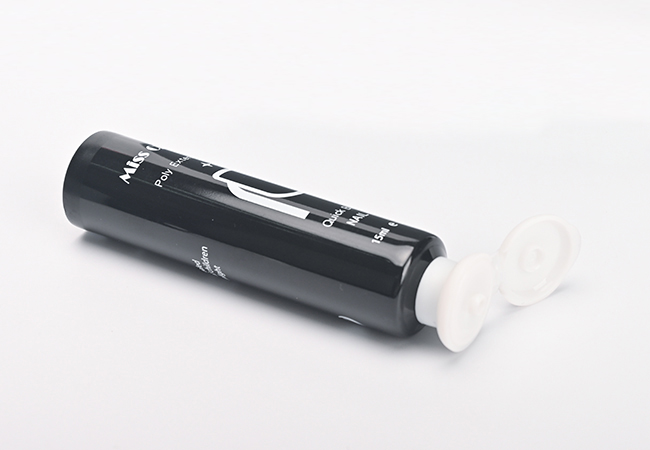
Name the possible leak path before choosing a method
A squeeze tube has more than one area to investigate: the tail seal or folded end, the sleeve or side seam if present, the shoulder-to-body area, and the dispensing opening or cap interface. Identify which surfaces and openings are included in the specimen and how they are closed during the check. A wet cap, damaged tail and split body are different observations, even if all three samples were described as leaking.
Ask whether the specimen is empty, filled with a test medium, or filled and sealed with the intended formula. Is the normal cap installed? Was a test fixture substituted for it? Who made the final tail seal? These details matter when the packaging supplier delivers an open-tail tube and a separate filler closes it. The tube filling and sealing handoff explains that supply boundary; this guide concentrates on selecting and interpreting the test evidence.
Agree the decision in advance: a cap interface review, a tail-seal assessment, a broader packed-use check, or an investigation into a complaint. The same sample may be involved in more than one question, but a fixture that seals the opening can remove the normal cap interface from the test. A neat-looking tail or a dry cap after one check is not a complete validation of every path.
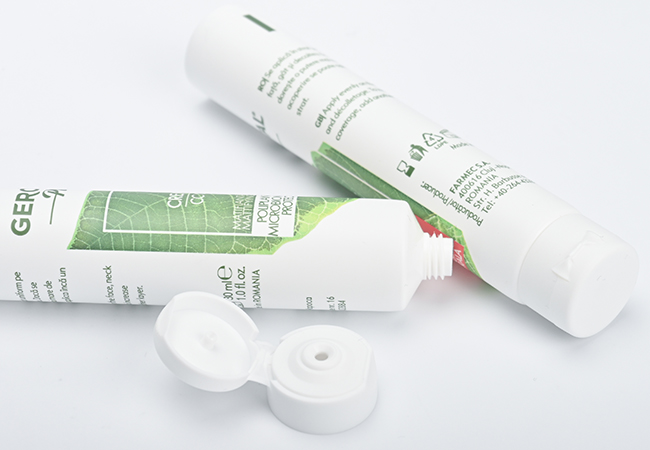
Compare four ways to investigate a tube seal
| Method and question | Evidence and limitations |
|---|---|
| External compression or squeeze: does this sample leak or distort under the defined applied load? | Read the report for: Empty or filled state; closure and tail; contact plates or tooling; load and dwell, location and observations. A filled-sample compression can reveal product escaping from the tested assembly. What it cannot establish alone: A given press force is not the same as the tube’s internal pressure. An empty-sample observation is not automatically evidence for the actual formula or distribution route. |
| Vacuum with immersion: are bubbles observed from the tested assembly under the specified chamber conditions? | Read the report for: Sample state, liquid, immersion and restraint, pressure basis, time, starting condition and observation location. Distinguish the chamber reading from pressure inside the tube. What it cannot establish alone: A visible-bubble method depends on its setup and observation; no bubbles seen does not establish the absence of every possible leak. The sample and closure must represent the claim being made. |
| Internal pressure held for a specified time: does the tested specimen meet the agreed condition? | Read the report for: How pressure entered the tube, fixture seals, capped or open end, pressure reference, ramp and hold, recorded leakage or loss and the agreed criterion. What it cannot establish alone: A fixture may bypass the consumer closure or temporarily close an open tail. A pass at the stated condition is not a rupture pressure or a lifetime guarantee. |
| Internal pressure increased until rupture: where and at what recorded condition does the specimen fail? | Read the report for: Tube and seal state, fixture, pressure ramp, peak value and unit, failure location, individual sample results and any deformation. What it cannot establish alone: This is a failure test for the examined specimen, not necessarily an operating setting, a filled-formula compatibility result or a seal-only strength if the body fails first. |
These descriptions are decision aids, not instructions to operate pressure equipment. A qualified test provider should select the appropriate method and safeguards. The Whole Package overview describes pressure and compression checks; its operating ranges and judgments belong to that supplier’s guidance, not to Oulete or to every tube design.
AT2E describes one tube tester that temporarily seals the tube at the bottom and applies pressure. MSD describes another tester using a threaded mandrel and adjustable pressure and time. These examples show why fixture details belong in a report. Neither establishes that Oulete owns either instrument or has tested the pictured tubes.
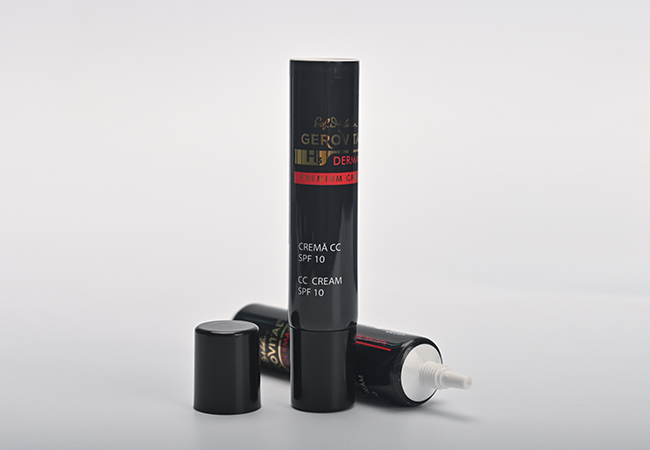
How to read pressure and failure in a tube report
First identify what is controlled: a chamber pressure, the air pressure inside the tube or the external force applied by a platen. Then identify the unit and whether the report uses gauge pressure, absolute pressure or a stated vacuum reference. Ask the lab to clarify an ambiguous sign or reference. Do not compare two numbers merely because both use the word “pressure.”
Next ask whether the method holds a specified condition for a period or increases the load to failure. A burst result reports the observed failure under that particular setup. A pressure-hold result reports what happened at its specified condition and time; it does not reveal the pressure at which the tube would burst. A compression rig’s cylinder setting is not automatically the force on the tube, and neither value is automatically the tube’s internal pressure.
Finally, locate what failed. If the sleeve ruptures first, the result identifies that failure under the test conditions; it does not independently quantify tail-seal strength. If a fixture connection leaks, the assessor must distinguish fixture leakage from a defect in the normal finished pack. Ask for the method’s handling of ambiguous failures, exclusions and individual sample records. Do not silently remove an outlier because the average looks acceptable.
| Field | Why it matters |
|---|---|
| Specimen identity | Tube revision, construction and lot, closure, fill state and who sealed the tail establish what was actually tested. |
| Test setup | Fixture, temporary seals, medium, orientation, preparation and observable surfaces show which interfaces were included or bypassed. |
| Conditions and units | Method, ramp or load, hold time, pressure reference and temperature where relevant define the exposure, rather than relying on a bare numeric result. |
| Observation | Individual sample outcomes, leak or failure location, photos where useful, and fixture anomalies distinguish a tube defect from an unresolved setup. |
| Decision | Agreed acceptance criterion, reviewer, deviations and unresolved issues connect the observation to the intended purchasing or filling decision. |
No single tube pressure, compression force, sample quantity or time is established here as a universal pass criterion. Ask the tube supplier, filler and test provider to agree a method and acceptance plan for the actual product. Do not transfer a value from an equipment catalogue to the purchasing specification without that review.
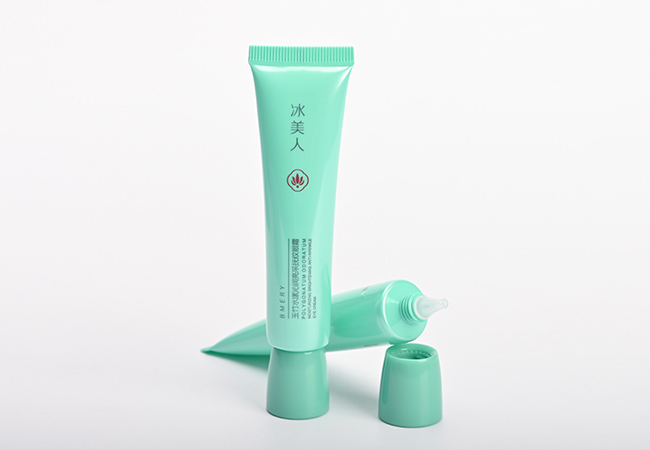
An example: two reports that do not answer the same question
Hypothetical case: a brand receives an internal-pressure report for an empty tube whose dispensing end was attached to a mandrel. The report records no leakage during the agreed hold, but the brand also needs to know whether the commercial cap and filled tail leak when the consumer squeezes the tube. The first report may be useful evidence for the specimen and interfaces it actually covered; it does not by itself answer the filled, capped-pack question.
- Check the report’s drawing revision, tail preparation and fixture. Mark which commercial interfaces were replaced or left out.
- Ask the filler to identify the actual fill, closure and sealing configuration and any relevant handling sequence.
- Agree an additional filled-pack assessment if it is required, including where to look for residue or fresh leakage and how observations are recorded.
- Compare the separate results against their own criteria. Hold an unresolved interface rather than merging them into one unsupported “leakproof” claim.
For the wider framework of static, dispensing and transport checks, use the existing filled cosmetic packaging leak-testing guide. For cap geometry and user handling, use the flip-top versus screw-cap comparison. Each page addresses a different decision; none makes an untested assembly leakproof.
Put a test request into the supplier–filler handoff
Send the proposed tube drawing and revision, material construction if confirmed, closure and supplied tail state. Identify the formula or test medium, target fill and the actual filler’s sealing responsibility. Name the intended test question: a closure leak, seal weakness, body rupture or packed distribution concern. Where the formula is confidential, agree directly with the responsible parties what information and samples can be shared.
Ask the test provider to propose applicable equipment, specimen preparation, pressure or load reference, method and acceptance criteria. Specify who supplies samples, performs the check, receives the report and authorises the decision. Retain untested comparison samples when the plan requires them. A test may alter or destroy a specimen; agree handling and disposal rather than assuming tested packs can be sold or refilled.
Oulete’s historical tube photographs provide format context only. The actual tube, closure, specialist supplier, availability and any testing arrangements require confirmation for the project. Request the proposed cosmetic tube and connect it to the filler’s trial rather than assuming a photograph or competitor instrument specification is the selected package.
Frequently asked questions
Does a squeeze test measure burst pressure?
Not by itself. A squeeze or compression applies an external load; a burst test measures failure under the stated internal-pressure method. Their readings and sample conditions are not interchangeable.
Does a vacuum bubble test prove that a tube will never leak?
No. It reports observations under a defined setup, sample and pressure difference. Its sensitivity and scope depend on the method; assess other relevant use and transport conditions separately.
Can an empty tube test approve the filled commercial pack?
An empty-tube result can answer a defined packaging question. It does not automatically cover the actual formula, final tail seal, cap and handling sequence. Review what further filled-pack evidence is required.
What if the tube body bursts before the tail seal opens?
Record the actual failure location and conditions. The observed result does not independently state the tail’s maximum strength; the responsible technical team should determine whether another assessment is needed.
What pressure should be specified for a cosmetic tube?
There is no universal value in this guide. The supplier, filler and test provider should agree a suitable method, conditions and acceptance criteria for the intended tube and use.
Is a photographed cap sufficient to define the test assembly?
No. Identify the actual tube, cap or fixture, supplied state and relevant revisions in the report. A photograph helps describe the sample but does not establish its performance.
A useful result identifies the tube and the interfaces it actually challenged. Keep the method and decision attached to that sample so a later change in cap, fill or sealing process can be reviewed against the right evidence.